Our Story

How a salt farm rebuilt an island.

Every bag of Josu comes from one place: 300 acres of salt ponds on Imjado Island, off Korea's southwestern coast. The farm was built in 1949 by a man who believed salt could rebuild a community coming out of occupation.

The Salt

72% salt. The rest is minerals.

Cheonilyeom (Korea's sun-dried sea salt) keeps the minerals that industrial refining strips out. Ours tests at 72% sodium chloride, with 2.5× the magnesium and 3× the potassium of French sea salt. It has a clean finish, a grain with structure, and it works on everything from eggs to kimchi brine.
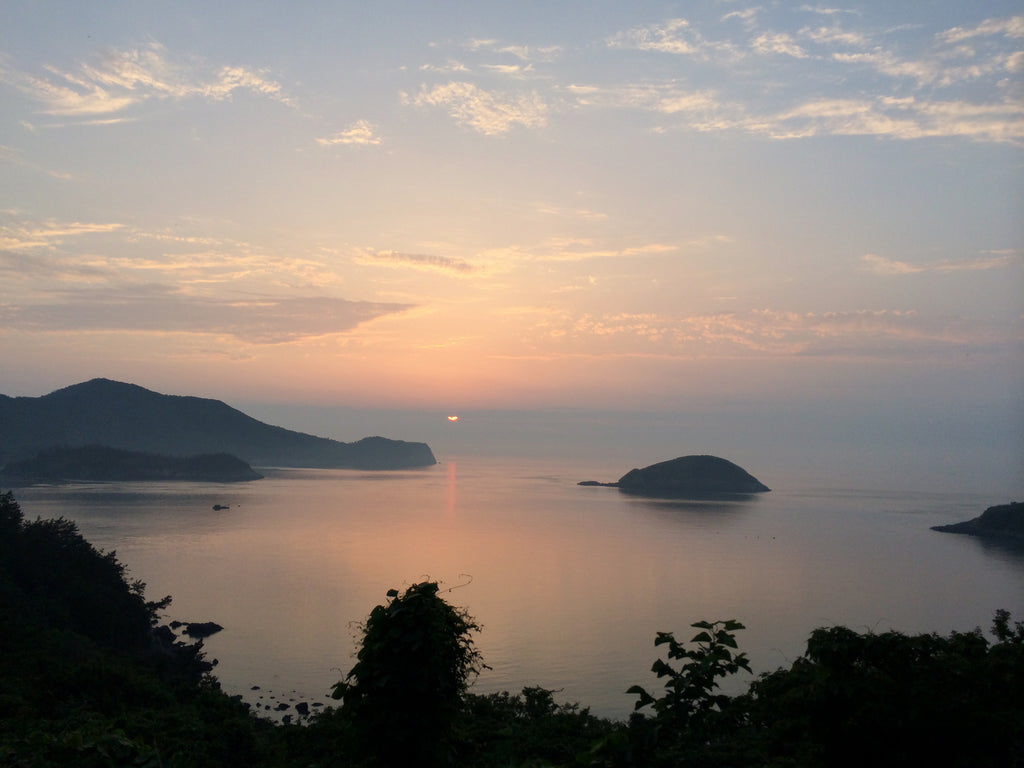
Sunset over Imjado Island and the surrounding sea
1949

A deal with an island

After Japan's occupation of Korea ended, our founder, Kim Gi Suk, returned to a homeland with no leadership, no infrastructure, and no economy. He saw one urgent answer in the land itself - the mineral-rich salt marshes of the southern coast. Salt.

On remote Imjado, Kim Gi Suk made the community an offer: let him turn the tidal land into salt ponds, and half the ponds would belong to the island - permanent income for roads, schools, and a church. The islanders agreed. Over time, 300 acres became salt farms, and the profits built the foundations of a thriving community.

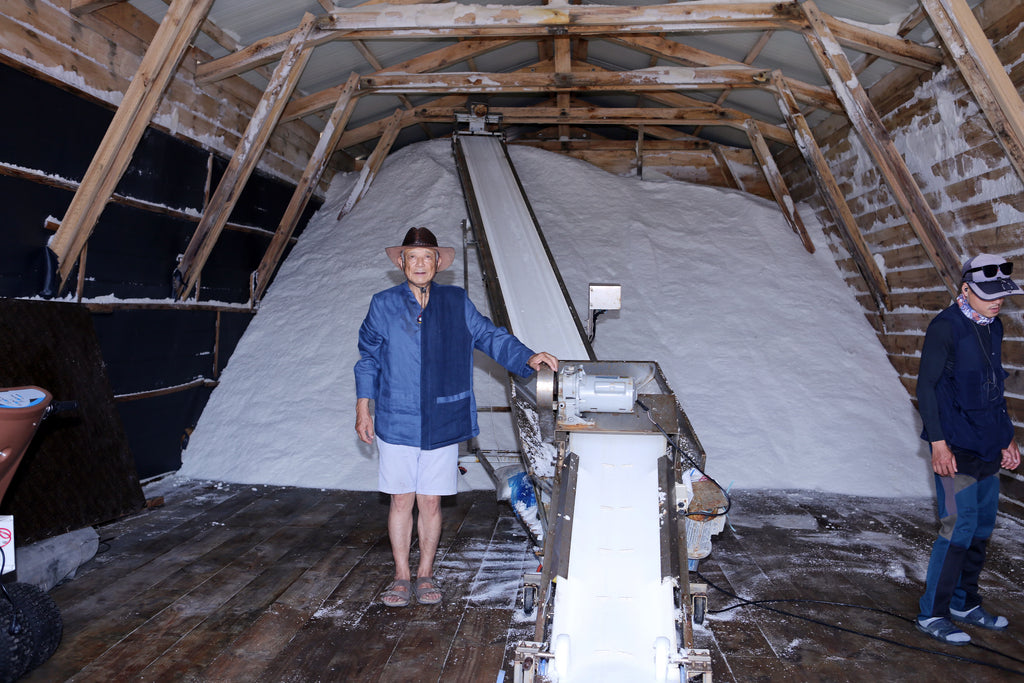
A family member with the salt harvest curing in the storage barn on Imjado
Today

Same flats, same family.

Four generations later, the farm is still worked by Kim Gi Suk's family. The methods are modernized where it helps, but the salt is still dried by the sun on black ceramic beds and swept by hand.

Today the fourth generation runs Josu Salt Co. from the United States. When you cook with Josu, you're using the same salt our family cooks with on Imjado - from our farm to your kitchen.

The Josu Family

★★★★★
"Adds a splash of flavor to everything, I highly recommend this. And so cool to know the personal story behind the salt!"
Gen F. · Verified Josu customer

Put it next to your stove.

Shipped with Prime.

Buy on Amazon